How to Write a Blurb for a Local or Regional Book: Tips for UK Authors
A reader in Norwich who picks up a novel set in Norwich is already partly sold. That flicker of recognition — the market, the river, the road out to the coast — does work that no amount of clever copywriting can buy. Local and regional books live on that recognition, which is why their blurbs need a slightly different approach from a general fiction or non-fiction pitch.
Too many place-based blurbs fall into one of two traps. Either they assume the reader already cares, so they stay vague: a sweeping story of love and loss set in the heart of England. Or they borrow the language of a tourist brochure and fill the space with rolling hills and pretty villages. Neither gives a browsing reader a reason to turn the book over and read the first page.
Put the place in the first line
Open with a location and, where it fits, a year. North Yorkshire, 1974. The Fens, on a wet Tuesday. A named place in the opening sentence tells a reader in seconds whether this book is for them, and it does the same job in a thumbnail image on a shop's website, where your description may be cut to two lines on a phone.
The place should appear in three places: the first line of the blurb, the subtitle if you have one, and the search fields on whichever retailer you use. People type "Suffolk" and "Suffolk coast" and "Aldeburgh" as separate searches, so include the town, the county and the region where you can do so without sounding like a gazetteer.
Write for two readers at once
The reader who lives there
They are looking for recognition, and they will notice everything. Move a street and they will tell you. Get the bus route wrong and they will mention it in a review. Give them one detail that only a local would know — a shop that closed, the year of the flood, the name of the secondary school — and you signal that you have done your homework. That signal buys trust for three hundred pages.
The reader who does not
Incomers, visitors, the family-history researcher, the person who grew up there and moved away. They need orientation, not a geography lesson. One clause is usually enough: a mill town on the edge of the Pennines tells them where they are and what kind of place it is. A blurb that only flatters locals can read as a closed door. A blurb that explains everything can read like a guidebook. Aim between the two.
Trade scenery for specifics
Atmospheric adjectives are the easiest thing to write and the least persuasive. "A quiet village", "the rugged coastline", "the bustling market town" could belong to any book about anywhere. Swap them for nouns.
Whitby, 1897. The trawler comes home with an empty hold and one extra man aboard.
That works because it is concrete, local and unstable. Something is wrong before the reader reaches the second page. One precise detail beats three hazy ones, and it keeps the blurb short, which matters when you are fighting for space next to a cover image.
Six place-based hooks worth borrowing
- The vanished landmark. The pier that burned, the station that closed, the department store everyone still mentions at Christmas.
- The local trade. Fishing, mining, brewing, weaving, the docks, the railway. Work gives a place its rhythm and its vocabulary.
- The forgotten event. A flood, a strike, a wreck, a riot. Documented beats invented, because readers can go and check.
- The family thread. A house, a shop or a name passed down through generations — the natural shape of a place-based story.
- The seasonal anchor. The regatta, the fair, the last night of the pier, the first day of term.
- The boundary. A river, a county line, the road out of town. Edges create tension because somebody is always crossing them.
Pick one or two. A blurb that stacks all six reads like a contents page, and contents pages do not sell books.
Anchor the period without lecturing
If your book is historical, give the reader a year and a single physical detail of the period, then stop. A ration book, a mill whistle, the smell of a gasworks — one of those will do more than a sentence explaining what was happening in Westminster. Resist "a time of great change" and "turbulent times"; they have been used so often that they no longer mean anything.
Do not assume local knowledge, and do not footnote. If a piece of local history matters to the plot, make it matter to a character first. Readers who already know the event will enjoy watching you use it. Readers who do not will pick it up from what the characters do about it.
Mind the local sensitivities
When you write about real towns, real events and sometimes real people, the blurb is the first thing read and the last thing forgiven. Do not promise a scandal you do not deliver, and do not imply that a living person did something they did not do. If your book deals with living people, recent crimes or ongoing disputes, take proper legal advice before publishing rather than after. A short acknowledgements note about your sources costs nothing and earns goodwill in exactly the places you need it: the local bookshop, the library, the county magazine.
Draft, test, then publish: a five-step routine
- Write one sentence that names the place, the period and the problem. If you cannot, the blurb is not the real problem.
- Add two details: one that only a local would recognise, one that orients a stranger.
- Read the whole thing aloud. Anything you would be embarrassed to say to a bookseller gets cut.
- Test it on two people — one who knows the place, one who has never been. Ask both the same question: where is this set, and what goes wrong?
- Finish on a promise you can keep. A question, a decision, a stake. Not "perfect for fans of..." which is a comparison, not a hook.
Then use it everywhere the book meets a buyer: the retailer description, the back cover, the shelf-talker card in the local bookshop, the post for the town's Facebook group, the pitch email to the county magazine. Cut a fifty-word version for the places that only give you a line or two. Local books are sold by hand as much as by algorithm, and a blurb that names the place properly gives every one of those hands something to work with.
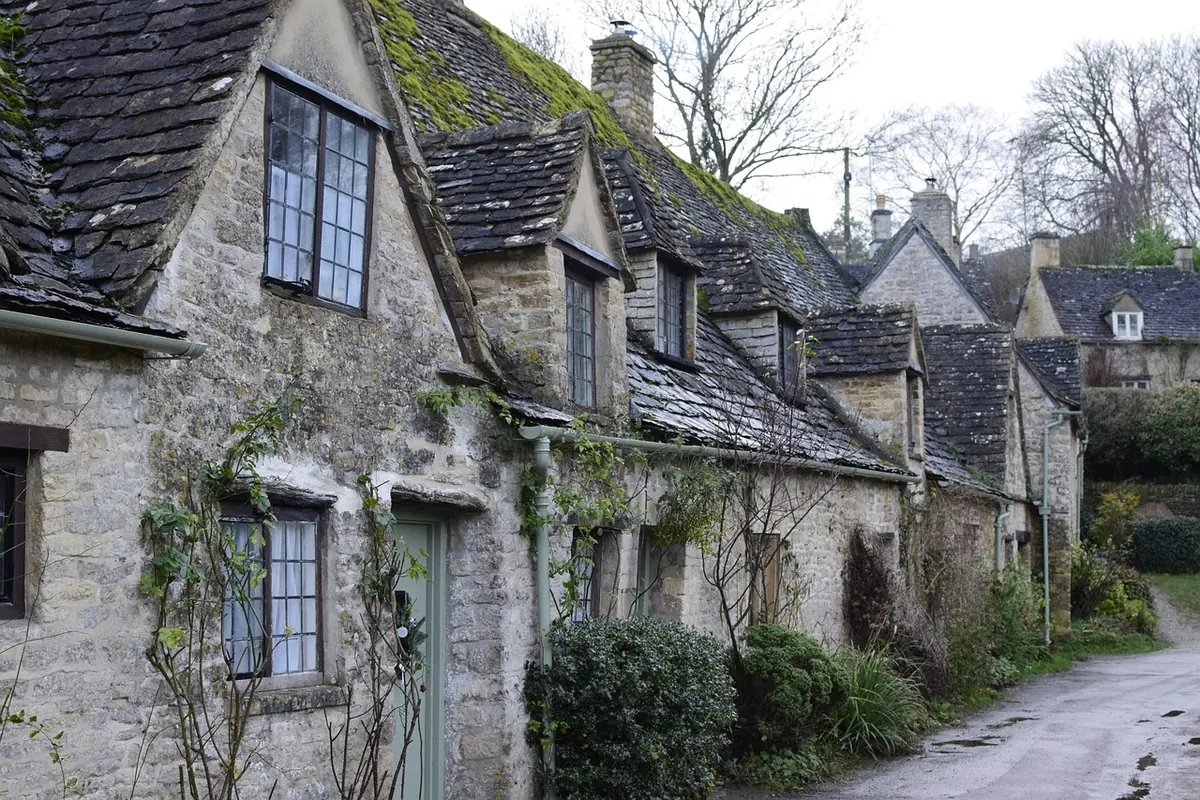
Photo: HarryJBurgess / Pixabay

Book Blurb A/B Testing: How to Compare Two Versions and Measure Which One Sells More
A practical guide to split testing your book description, from choosing one variable to running ad copy...

A Beginner's Guide to Keyword Research for Book Blurbs and Amazon Metadata
A practical introduction to keyword research for book blurbs and Amazon metadata, covering where to find...
About Us