Book Blurb Checklist: 15 Questions to Ask Before You Hit Publish
Book Blurb Checklist: 15 Questions to Ask Before You Hit Publish
Somewhere out there, a reader has just searched for a book like yours. Your cover caught their eye; now their thumb hovers over the description, and you have about three seconds before they scroll on. That description — your blurb — is where the sale is quietly won or lost. Before you paste it into the upload form, run it past the fifteen questions below. Ten minutes now saves a great deal of quiet indifference later.
A blurb is not a summary. It is a handshake, a first impression, and a promise. It tells a browsing reader what kind of story they are about to enter, who they will follow, and why they should care enough to click. Get it right and the book gets its chance. Get it wrong and even a brilliant story can disappear into the endless scroll.
Genre Clarity (Questions 1–3)
Readers don't browse a whole shop. They browse a shelf. Your blurb's first job is to say which shelf this is, and why they'd enjoy standing there.
- 1. Could a reader name the genre from the first two sentences? If they have to reach line five to work out whether this is a cosy mystery or a family saga, your opening is doing the wrong job. Genre first, atmosphere second.
- 2. Have you used the words readers actually search for? Phrases like "enemies to lovers", "police procedural", "dual timeline" or "feel-good romance" are shorthand for a reading experience. Use the ones that are genuinely true of your book, not the ones that merely sound popular.
- 3. Does the tone match the book? A comic novel described in solemn, brooding prose confuses the very reader who would have loved it. Read your first paragraph next to a page of your actual writing. They should feel as though they came from the same hand.
If you cannot answer these three confidently, stop. No amount of clever phrasing will rescue a blurb that is hiding its own genre. Clarity is not the enemy of surprise; it is what makes surprise possible.
The Emotional Hook (Questions 4–7)
Genre tells a reader where they are. The hook tells them why they should care. Look for a person who wants something, and a good reason they might not get it.
- 4. Does the first line work on its own? Cover everything below it with your hand. Does that single line make you want the second one? If not, rewrite it before you touch anything else.
- 5. Can you point to a person, a problem and a price? Vague: "A woman must come to terms with her past." Specific: "When her mother's house sells, Nell has three days to clear it — and one box she has avoided for twenty years." Same story, different pulse.
- 6. Are you summarising or teasing? A blurb is not a synopsis with better manners. Cut the third character, the subplot and the twist. If a sentence exists only to explain something, it probably belongs inside the book.
- 7. Does the last line pull forward? End on a turn, a choice or a question the reader wants answered — not on a polite trailing off. The final sentence should feel like a hand on the shoulder, not a door closing.
One useful exercise is to write the blurb as a single sentence first: When [character] wants [goal], they must face [obstacle] before [stakes]. That sentence may never appear in the final version, but it will keep you honest. If you cannot fill in the blanks, the blurb is not the problem — the focus is.
Comparables (Questions 8–10)
Comparables do useful work: they tell a browsing reader what kind of ride they're buying. Chosen carelessly, they do damage.
- 8. Do your comps describe tone, or borrow someone else's reputation? "For readers of..." only helps when it's accurate. Two or three titles your ideal reader would recognise, plus a short phrase about the experience, beats a list of famous names.
- 9. Would your ideal reader recognise the comparison — and would they agree? If you compare your book to a bestseller, you are borrowing that reader's expectations. Make sure the comparison is about experience, not sales. "For readers who liked the claustrophobic tension of..." is useful. "The next [famous author]" often reads as a promise you cannot keep.
- 10. Do the comps set an honest expectation? If you say it is for fans of a twisty psychological thriller, the blurb should hint at unease and unreliability. If it is a warm romance, don't dress it in thriller clothing. A mismatched comp is worse than no comp at all.
Comps are not a shortcut to credibility. They are a promise about reading pleasure. If the promise is accurate, it helps the right reader find you. If it is inflated, it invites disappointment from exactly the people you wanted to impress.
Practical Polish (Questions 11–13)
Once the big pieces are in place, the small ones decide whether a reader trusts you. These questions catch the errors that are easy to miss when you've read your own blurb fifty times.
- 11. Have you cut every sentence that begins with "This book..."? "This book is a gripping tale of..." tells the reader nothing they can feel. Drop the meta-language and start with the character, the place, or the problem. Let the story do the describing.
- 12. Is the blurb formatted for a phone screen? Long paragraphs look like work. Short paragraphs, one idea each, and a little white space invite the eye downward. If the blurb looks like a wall, break it into smaller pieces.
- 13. Have you checked every name, spelling, and series detail? A wrong character name, a mismatched book number, or a typo in the title of your own series chips away at credibility. Read it backwards if you have to; the errors will stand out.
The Final Read-Through (Questions 14–15)
At this point, the blurb should be accurate, appealing, and clear. The last two questions are about whether it actually works as a piece of writing.
- 14. Can you read it aloud without stumbling? Blurbs are read silently, but they are heard in the mind's ear. If a sentence trips you, it will trip a reader. Tighten the clauses, replace weak verbs, and cut any phrase you would never say out loud.
- 15. Does it make you want to read the book? This is the simplest and most brutal test. If your own blurb leaves you cold, no amount of genre keywords will save it. Rewrite until it makes a promise you are excited to keep.
Before You Hit Publish: A Two-Minute Test
Hand your blurb to someone who has not read the book. Ask them four questions: What genre is this? Who is the main character? What do they want? What might stop them? If they can answer all four without guessing, your blurb is doing its job. If they hesitate, find the missing piece and put it back on the page.
You can also paste the blurb into a document, change the font, and read it on your phone. The screen changes how we see length and rhythm. A paragraph that looked fine on a laptop can become a gray block on a phone. Adjust until it breathes.
Common Blurb Mistakes to Avoid
- The synopsis dump: Too many names, too many subplots, and the ending given away. Keep only the central conflict and the central character.
- The vague tease: "Everything changes when a secret is revealed." What secret? Whose life? Vague language feels safe to write, but it gives the reader nothing to hold.
- The false promise: Comps, keywords, or tone that suggest a different book. Mismatched expectations lead to bad reviews, even if the book is good.
- The wall of text: No white space, no rhythm, no clear entry point. Formatting is part of the writing.
- The polite ending: A final line that shrugs instead of pulls. End on a choice, a consequence, or a question that makes the next click inevitable.
Your blurb is not a summary of your book. It is the first scene of the reading experience.
When all fifteen answers are yes, you are not just ready to hit publish. You are ready to meet the reader who has been waiting for exactly this book. Give them a description that makes the decision easy — and then let the story keep the promise.
Photo: RDNE Stock project / Pexels

Book Blurb A/B Testing: How to Compare Two Versions and Measure Which One Sells More
A practical guide to split testing your book description, from choosing one variable to running ad copy...
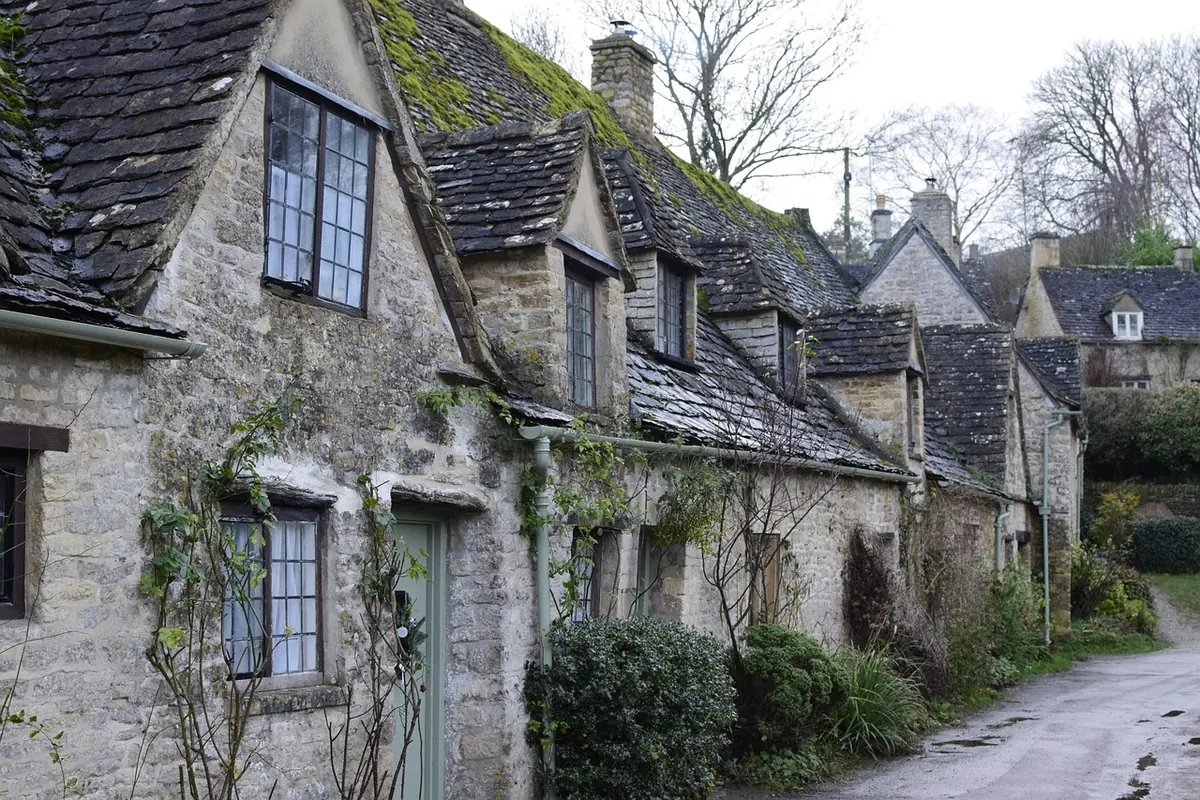
How to Write a Blurb for a Local or Regional Book: Tips for UK Authors
Local books sell on recognition, so your blurb must name the place, the period and the people quickly....
About Us